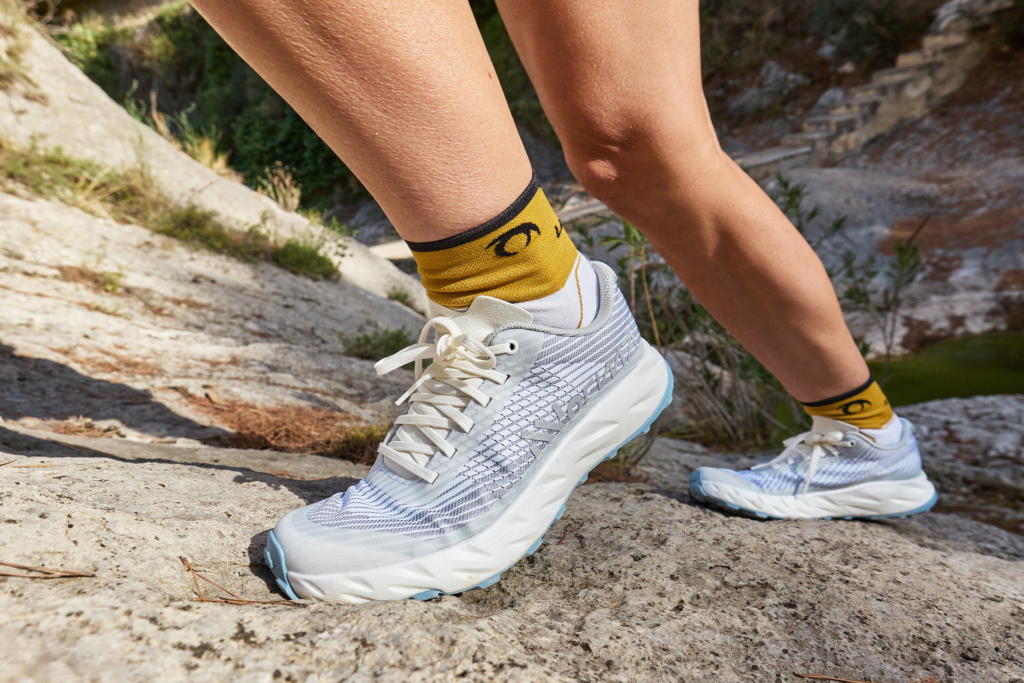
Merino Dry and Merino Pure: Two Ways to Experience the Outdoors

Our ambassador and collaborator Diana Martín, better known as Enjoying Mountains on Instagram, shares her first-hand experience comparing these two merino wool garments across the different stages of a hiking adventure. One is designed for higher-intensity efforts, while the other focuses on pure natural comfort.
Merino Dry vs. Merino Pure: My Hiking Experience
When I spend hours hiking in the mountains, one of the garments that has the biggest impact on my comfort is my base layer. Hiking is unique because your pace is constantly changing. There are demanding climbs where you work hard and sweat, easier sections where you recover, and regular stops to enjoy the scenery or have something to eat. That’s why having a garment that can adapt to these changing conditions makes such a difference.
I’ve had the opportunity to test two merino wool collections from Lurbel: Merino Dry and Merino Pure. Although both are built around merino wool, they deliver noticeably different experiences on the trail.
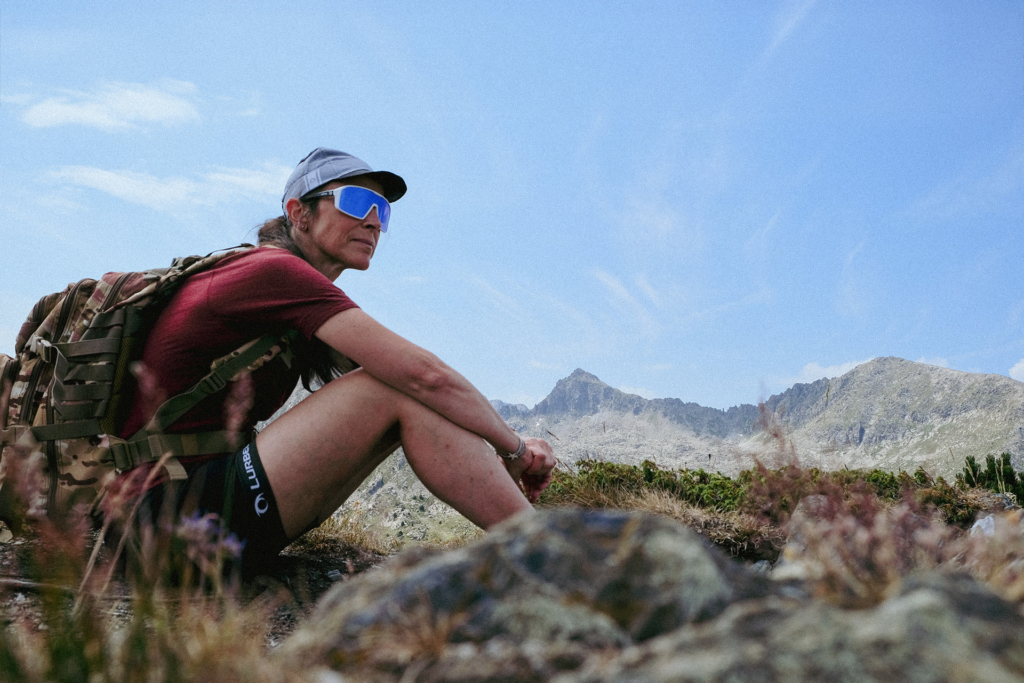
La lana merina: una fibra que cada vez entiendo mejor
Hace unos años asociaba la lana exclusivamente al invierno. La lana merina me ha hecho cambiar completamente esa idea. Durante una ruta de senderismo puedes pasar frío al empezar, calor en una subida exigente y volver a notar el fresco cuando te detienes. En ese contexto, una fibra capaz de ayudar a regular la temperatura corporal tiene mucho sentido. Después de varias salidas, entiendo por qué cada vez más personas la eligen para actividades de montaña en cualquier época del año.
Merino Wool: A Fibre I Appreciate More Every Time
A few years ago, I associated wool exclusively with winter. Merino wool completely changed that perception. During a single hike, you might feel cold at the start, overheat during a steep climb, and then cool down again the moment you stop. In those situations, wearing a fibre that naturally helps regulate body temperature simply makes sense. After several hikes, I understand why more and more people choose merino wool for outdoor activities throughout the entire year.
Merino Dry: When the Pace Picks Up
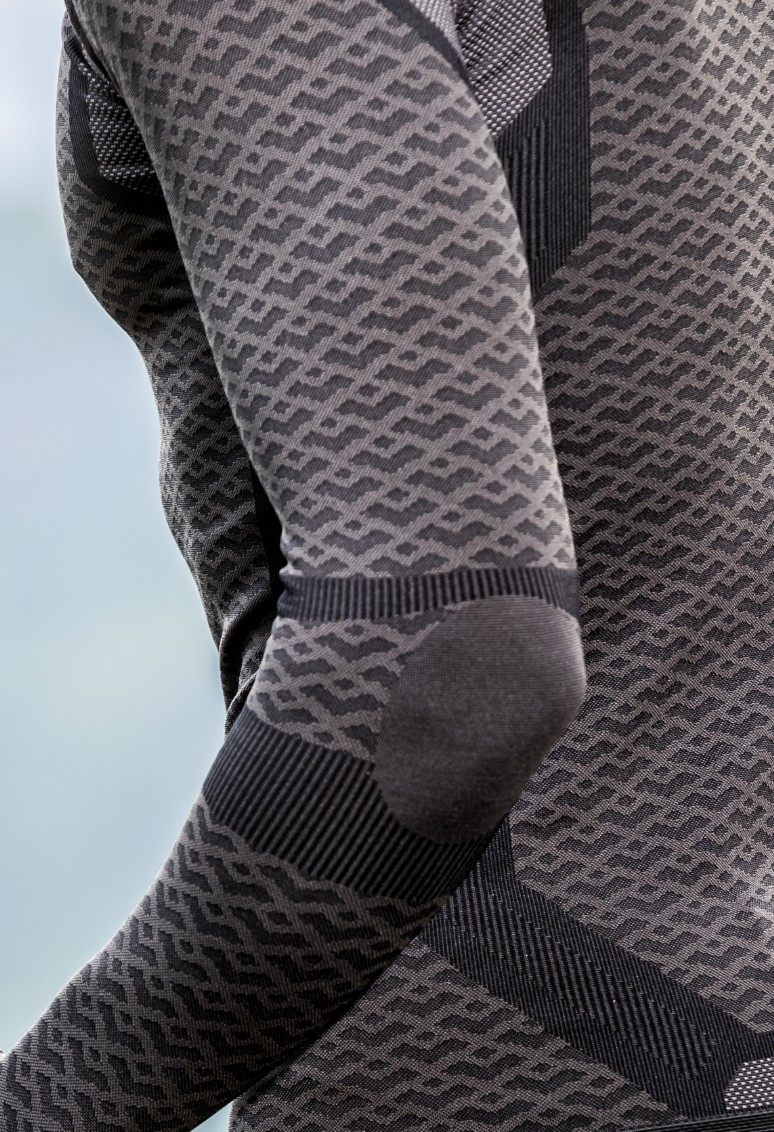
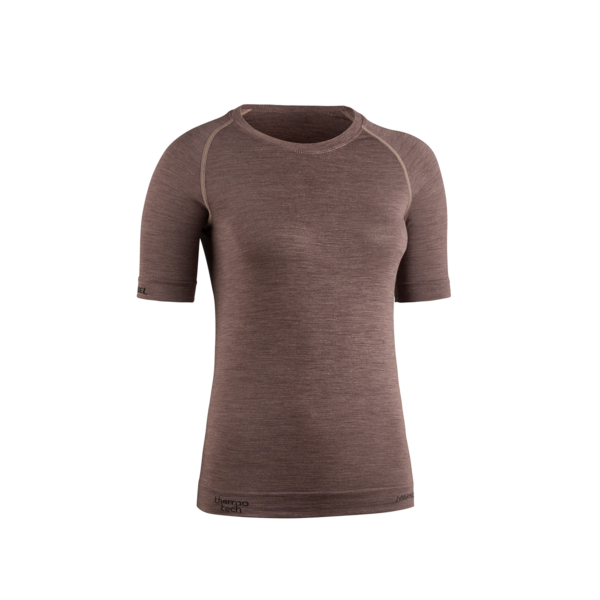
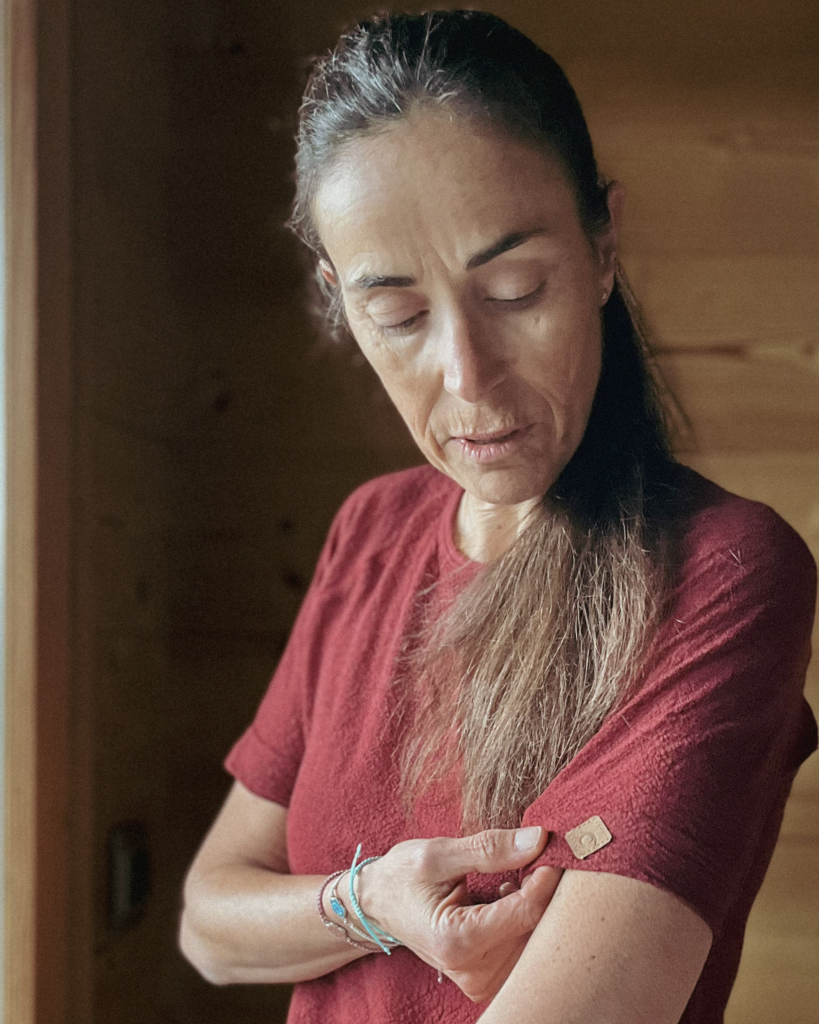
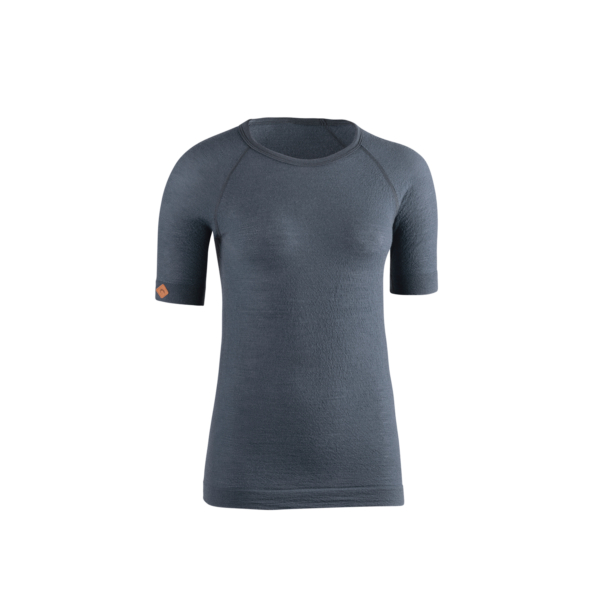
Merino Dry is the option I found best suited to demanding hikes with significant elevation gain or a faster pace. Although it retains the soft, comfortable feel that characterises merino wool, it has a distinctly more technical performance. During long climbs, moisture never seemed to remain against my skin, and the shirt returned to a dry feeling relatively quickly once the pace eased. What I appreciated most was that, when stopping to rest or enjoy the view, I never experienced that unpleasant sensation of wearing a damp shirt against my body.
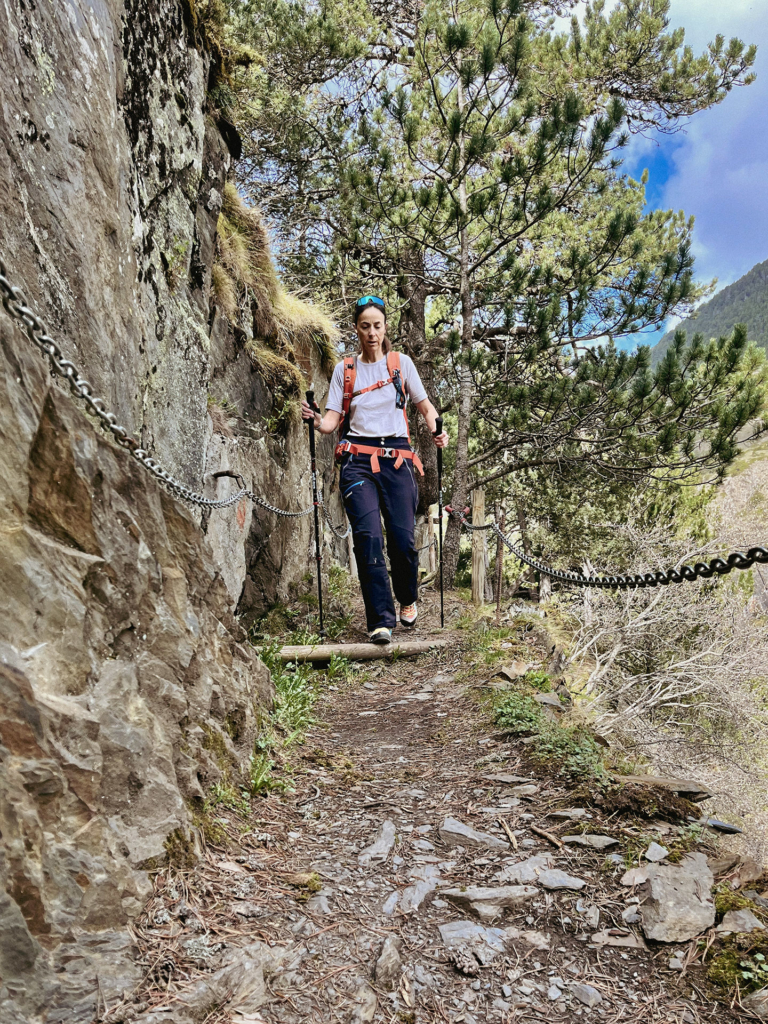
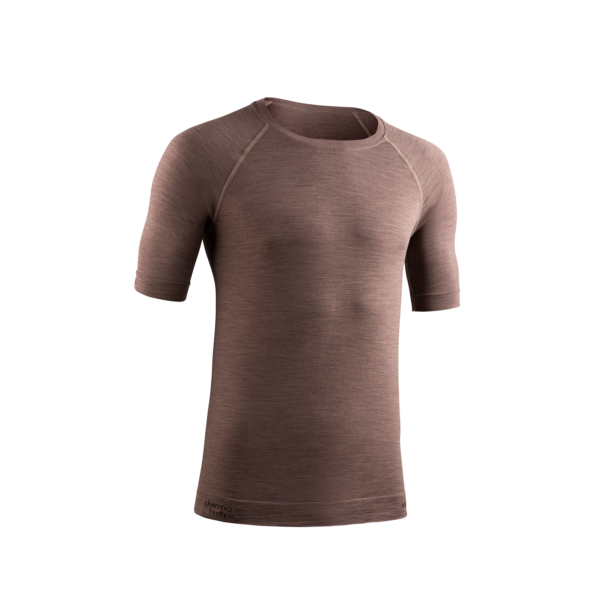




Merino Pure: Comfort Above Everything Else
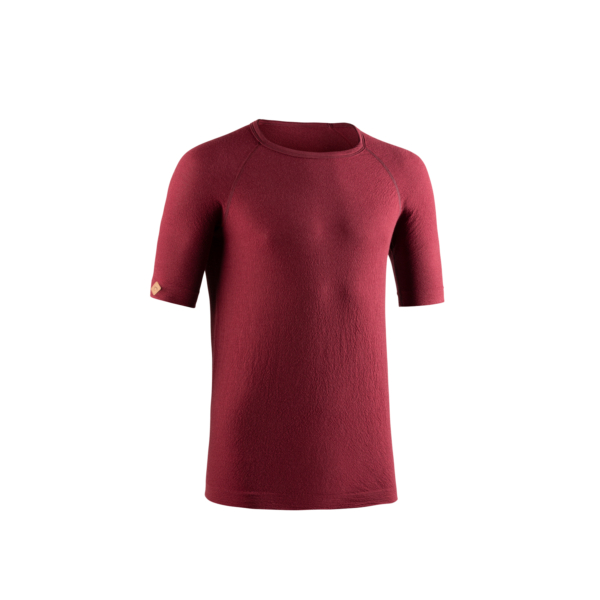
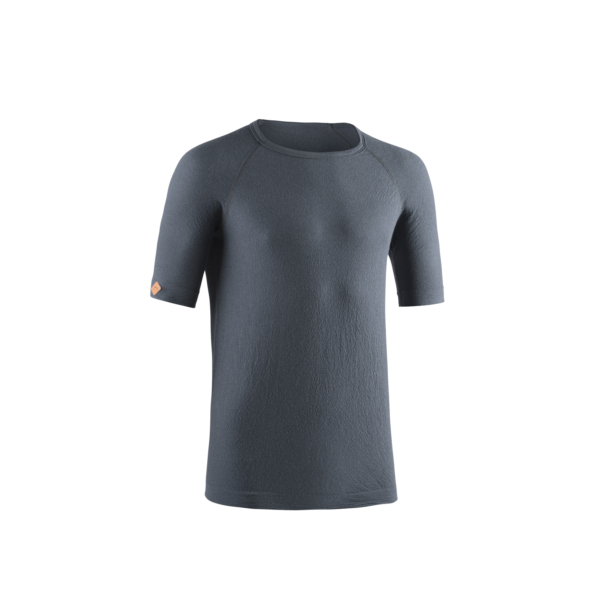
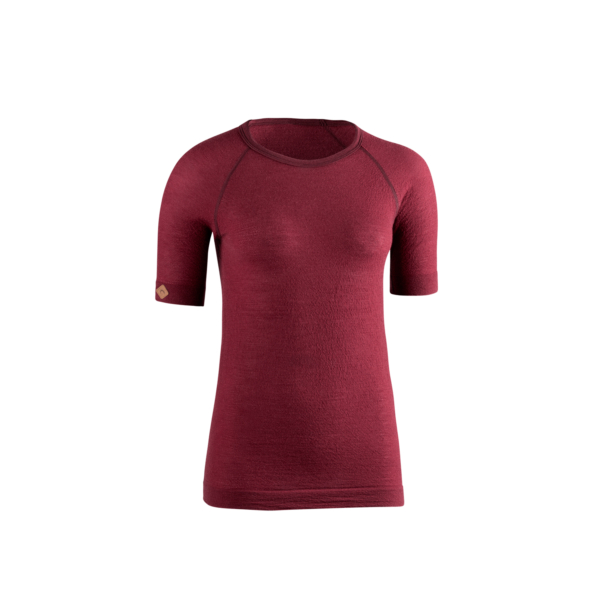
Merino Pure offers a completely different philosophy. The first thing you notice is the incredibly natural feel of the merino wool. It’s the shirt I’d choose for relaxed hikes, moderate walking routes or even travelling. The natural thermal regulation of merino wool makes it especially comfortable as temperatures change throughout the day, providing a consistently pleasant feeling from start to finish.




Which One Would I Choose?
Honestly, I don’t think one replaces the other. If I’m planning a demanding hike with plenty of climbing, mild or warm temperatures, and know I’ll be working hard, I’d probably choose Merino Dry. If I’m looking for maximum comfort, versatility and all the natural benefits of merino wool, Merino Pure would be my choice.
After using both extensively on hiking routes, my conclusion is that Lurbel isn’t offering two competing shirts, but rather two different interpretations of merino wool: one focused on performance when intensity increases, and the other centred on delivering lasting natural comfort over many hours. (I’ve even worn Merino Pure to business meetings with a blazer over it—it looks surprisingly good.)